Affect entitlement
Sometimes things are boring

Sometimes my mental conversations involve thoughts like: ‘ugh, I have lots of stuff I could do, but I don’t feel motivated to do any of it. Why do I feel so unmotivated?! Is there something wrong with me? How can I be more motivated?’ … etc., etc.
One time when this was happening recently, I had the follow-on thought: well, why should I be motivated? On that particular day I’d made a to-do list (ignoring Previous Amber’s advice), and all of the tasks were some combination of not that important, not that interesting, or not that urgent. They were tasks like ‘hoover the stairs and upstairs corridor’ and ‘apply to such-and-such job’. Nothing with an urgent deadline; nothing particularly interesting or fun. Maybe, I thought, I’m not entitled to feel strongly motivated to do any and every mundane task that my manager parts ever think is a good idea to do.
Since then I’ve been applying this concept of ‘affect entitlement’ more broadly:
I’m not entitled to feel super decisive about relatively trivial everyday decisions (such as whether to go to a cafe or not)
I’m not entitled to feel high-energy all the time
I’m not entitled to feel sexual desire just because it’s a convenient time to have sex
I’m not entitled to feel socially connected all the time
I’m not entitled to feel interested in a book or a topic just because it’s Worthy and Important
This thought was inspired by and rhymes with David MacIver’s ‘There is no sludge’ and ‘Well you gotta’. In these posts, I take him to be saying (respectively) that he is not entitled to the feeling of fluidity and sharpness that comes from caffeine, and that we are not entitled to strongly want to do everything that is somehow good or important to do.
You might have noticed that this frame is basically a way of trying to feel better about some of my negative emotions (or lack of positive ones). So why use the frame of ‘entitlement’ rather than, for example, ‘acceptance’? Isn’t it unnecessarily self-critical to call myself ‘entitled’? I usually try to relate to my psychological parts the same way I’d relate to a friend, and saying ‘you’re acting entitled’ is a bit rude and overly aggressive.
Well, one honest answer is ‘that’s just how my brain happened to frame it on this occasion’. But if I were to defend the ‘entitlement’ framing, I’d say that it helps me to better inhabit the space of ‘how I currently am is ok… but it could be better’. To me, ‘acceptance’ implies that you shouldn’t strive and hope for your state to change. Whereas now, I don’t exactly want to ‘accept’ low motivation as completely fine. It is better to feel motivated to do things, all else equal. Rather, I want to nip in the bud catastrophizing thoughts of the shape ‘woe is me, because I do not feel automatically and instantaneously motivated to hoover my stairs, I am lazy/broken/flawed/my life is terrible’.
Or: consider the more neutral, legalistic meaning of entitlement. Some people are entitled to, say, disability benefits or housing benefits; and it’s not ‘entitled’ (in the negative sense) for such people to claim those benefits! I, however, am not currently entitled to disability benefits, because I’m not disabled; I don’t need them. So maybe when I say ‘I’m not entitled to motivation’, I mean something like: ‘I don’t actually need to be motivated all the time, either to get stuff done or to generally be ok’. On the other hand, I think we are entitled to some psychological and social goods: for example, being free from depression, disordered anxiety, and distress; rest; pleasure; fun; and being treated with kindness and respect.
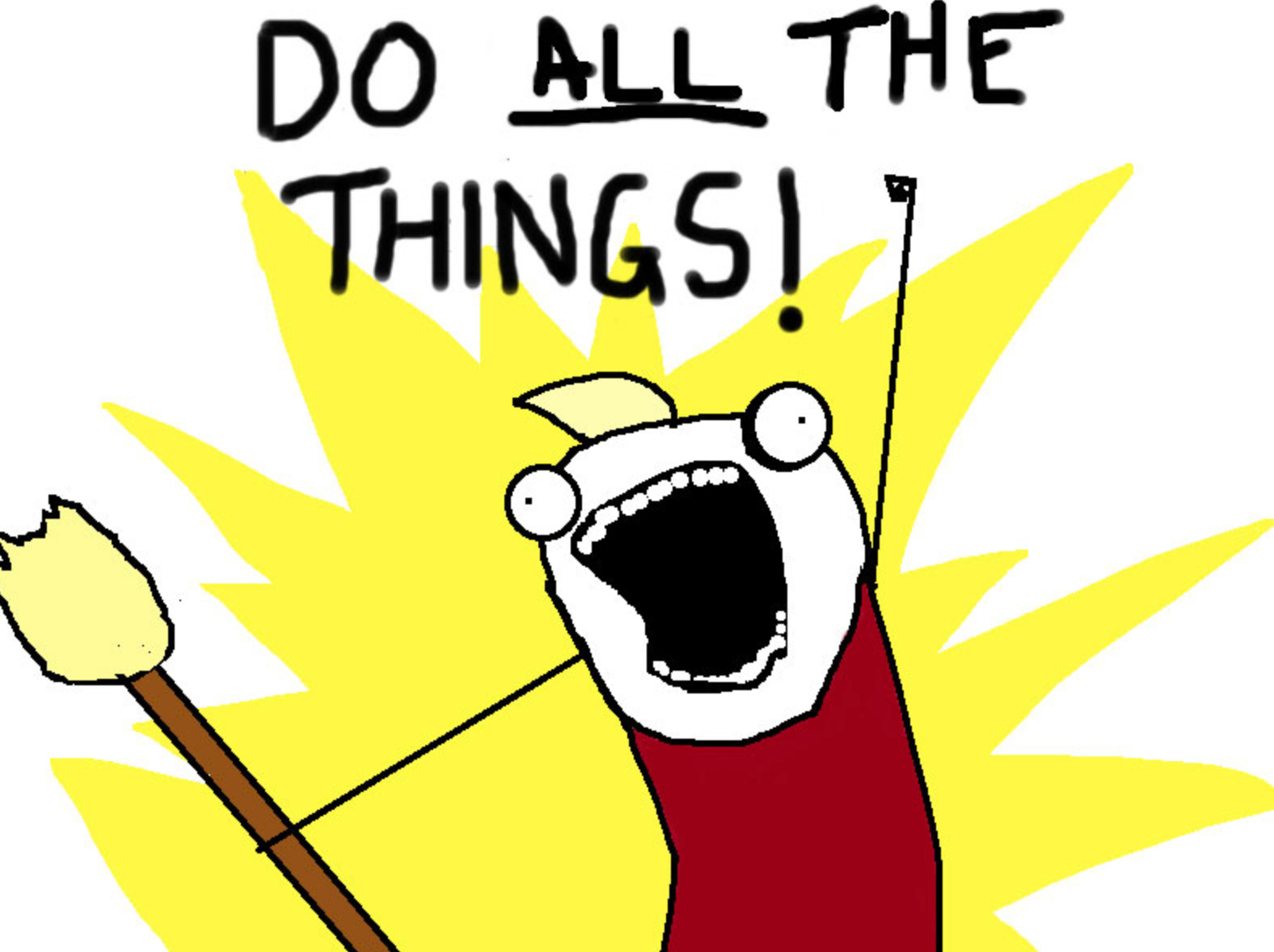
And of course, just because we’re not entitled to positive affects all the time, doesn’t mean we have no entitlement to them. Chronic low motivation is a sign of depression; chronic indecision is a sign of burnout or mental fatigue; and lacking desire, energy and social connection entirely can also be red flags. But just as ‘not having depression’ doesn’t mean ‘being joyful all the time’, a healthy motivational system doesn’t mean being a constant instantiation of the ‘do all the things!’ meme.
I was also struck by your use of "entitled"
I wouldn't have preferred "acceptance" language either
I'd like a gentle "I don't have to"
feels (I'm projecting) like there is a "should" attitude which is being countered by a "I'm not entitled" thought.
It feels gentler (to me) to counter a "should" thought (I "should" be motivated) with--in your parlance of the way I'd want a friend to speak to me--a "that's you pressuring yourself and actually that pressure doesn't exist."
There is no you "should" hoover
there is no you "should" feel high energy at the moment
there is no you "should" feel socially connected
there is no you "should" be interested in Worthy things
which I suppose *is* a sort of acceptance but "acceptance" still feels like then there is pressure to accept. We are not wrapping our minds around the fact that one is living in an entire world full of judgments and shoulds and are trying to push back against those shoulds with other types of shouldsy thoughts in the other direction which, yes, can be helpful
but wouldn't it be nicer to just collapse that whole framework entirely?
This does lead to a risk of a person prone to depression just sinking into doing nothing. On the other hand, maybe crafting a life where there is no hoovering and one lives with crumbs on floors unless one feels like hoovering; one connects socially when one feels an urge to connect and doesn't if they don't; one acknowledges things are Worthy but that particular is actually not lighting me up; etc
maybe motivation just ends up flowing better in general without thinking about entitlement or lack thereof?